
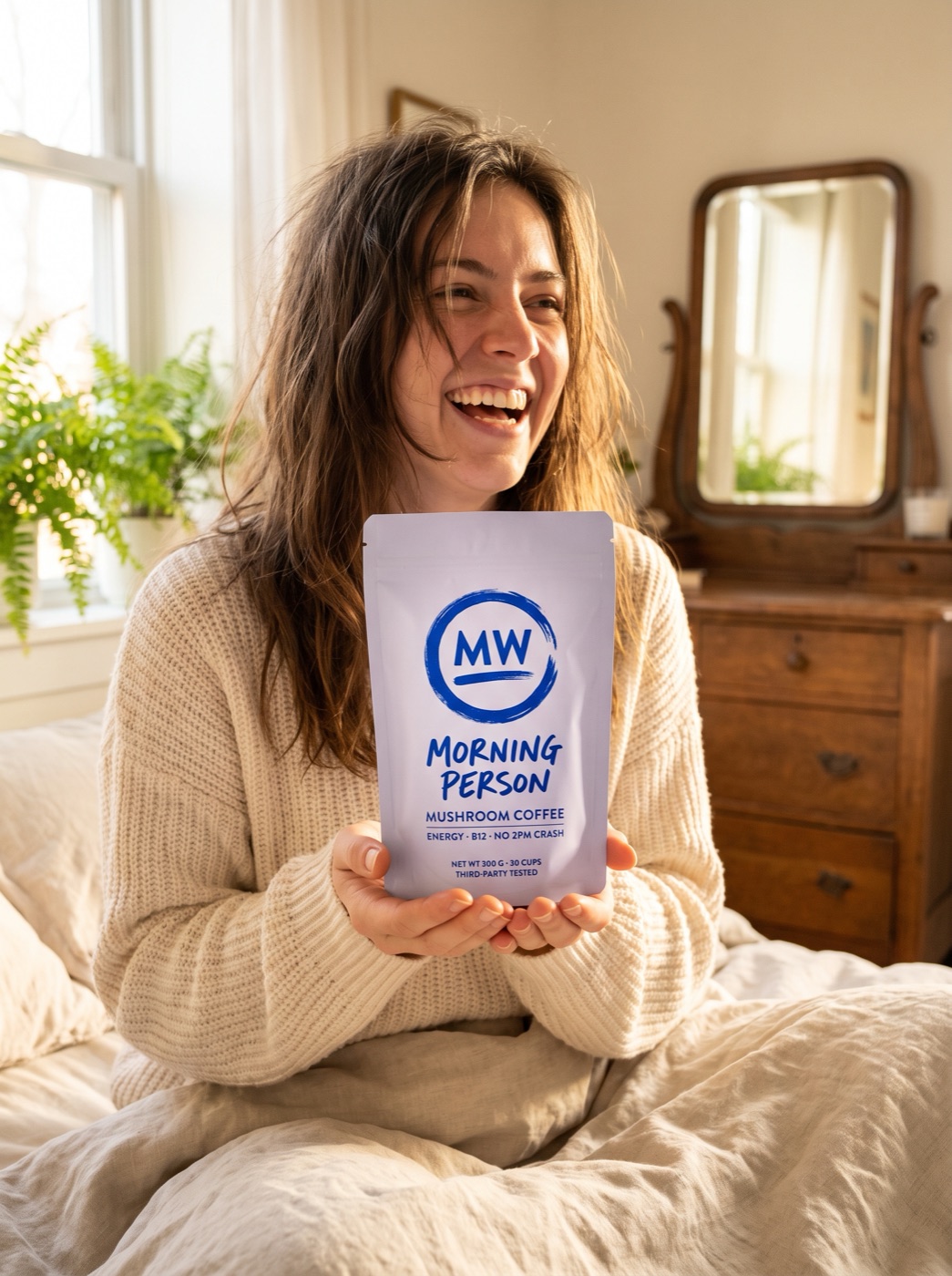
Some days you are just flat. Not sad exactly, just grey and low on spark. Before you decide something is wrong with you, it is worth knowing how much of your mood is quietly shaped by light, movement and a few key nutrients. A lot of it is more fixable than it feels.
why your mood dips
Mood is not just in your head, it is deeply physical. Low daylight, especially in winter, drags on it. So does patchy sleep, blood sugar bouncing around, sitting still all day, and going too long without real connection. Stack a few of those and of course you feel flat. The lift usually comes from addressing the physical basics, not from thinking your way out of it.
the daily mood basics
- Get morning light. Daylight early in the day is one of the most reliable natural mood lifters there is.
- Move your body. Even a walk shifts your brain chemistry in a good direction. You do not need a whole workout.
- Protect your sleep. Mood and sleep are a two way street, and it is hard to feel bright on empty.
- Eat for steady energy. Protein and fewer sugar crashes keep your mood from dipping with your blood sugar.
- Reach out. A little connection, even a text, does more than we give it credit for.
the nutrients that support mood
Vitamin D
The sunshine vitamin, and a big one for mood. Low levels are common, especially in the darker months, and they are linked with feeling low. Supporting it is one of the simplest wins.
Omega 3
These healthy fats are part of the structure of your brain and support normal brain function. Most of us do not get enough from food alone.
B vitamins
Your B vitamins help your body make the chemical messengers involved in mood and keep your nervous system running smoothly.
Magnesium
Involved in hundreds of processes including the ones that help you feel calm and settled rather than frayed.
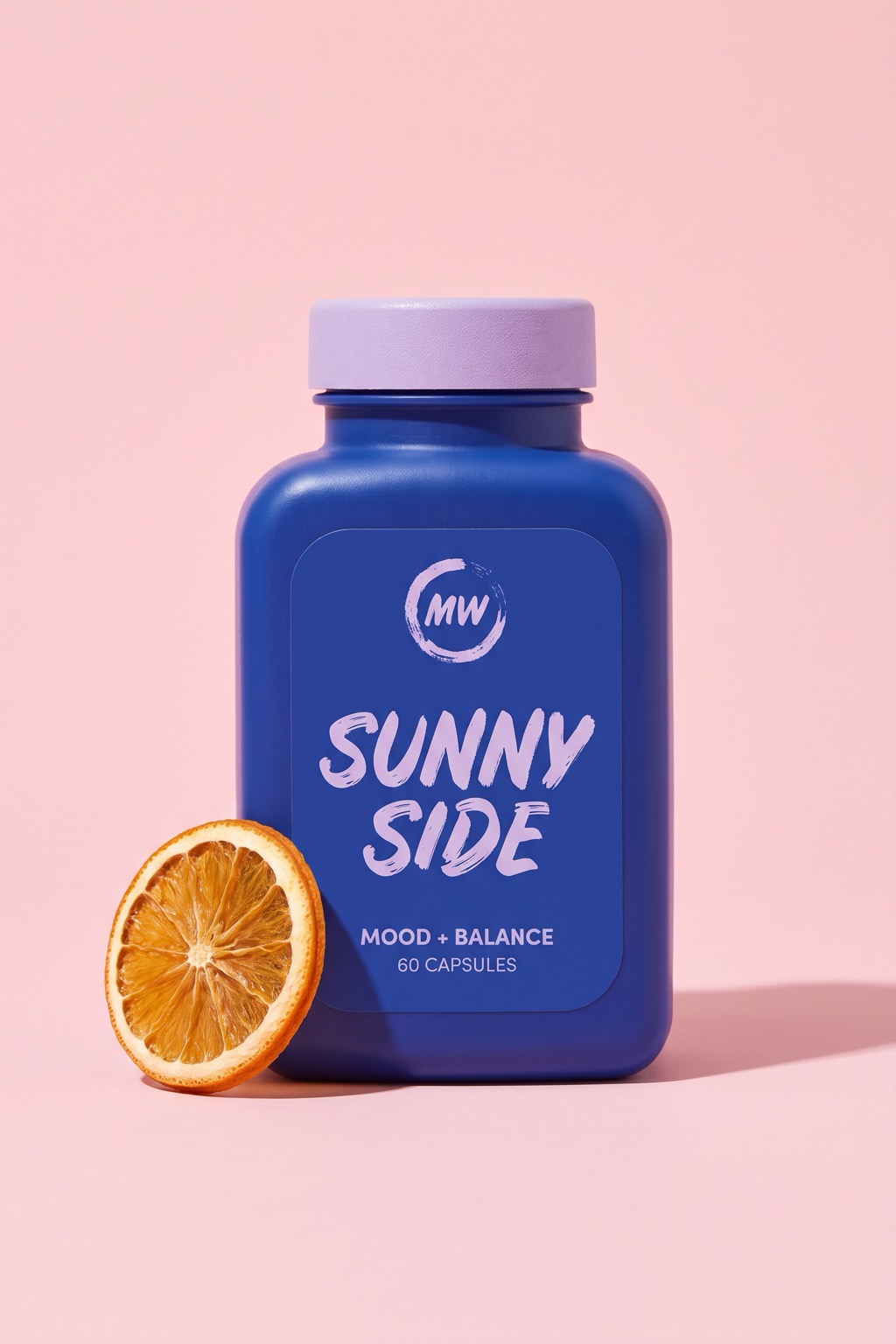
Mood / Vitamin D
SUNNY SIDE.
Vitamin D and B vitamins for a brighter baseline on the flat days.
why vitamin D matters so much
If you only look at one thing, look at vitamin D. Between working indoors and covering up in the sun, a huge number of us run low without knowing. Because it plays a role in the brain areas tied to mood, topping it up, especially through autumn and winter, is one of the most worthwhile daily habits for feeling brighter. That is the heart of what SUNNY SIDE is built to support, a little bottled sunshine for the flat days.
how long before you feel brighter
The light and movement habits can lift you the same day, genuinely. The nutrient side, like vitamin D, builds over a few weeks of daily use as your levels come back up. Give it a month of consistency before you judge it.
And the honest bit, if your low mood is heavy or sticking around, please talk to a doctor or a mental health professional. This is about supporting a healthy baseline, not replacing real care.
questions people actually ask
Can supplements really improve your mood?
They can help when a low mood is partly down to a nutrient gap. Vitamin D, omega 3 and B vitamins all support normal brain and nervous system function. They are a support for the basics, not a cure for a hard week or a real mental health condition.
Why is my mood worse in winter?
Less daylight in the colder months lowers your light exposure and often your vitamin D, both of which affect how you feel. Getting outside in daylight and topping up vitamin D are two of the most helpful things you can do.
Does vitamin D actually affect mood?
Vitamin D receptors sit in areas of the brain involved in mood, and low levels are commonly linked with feeling low, especially in winter. A lot of people are mildly deficient without realising, so it is a sensible one to support.
When should I speak to someone about my mood?
If low mood is persistent, heavy, or getting in the way of your life, please talk to a doctor or a mental health professional. Supplements and daylight support a healthy baseline, they are not a treatment for depression.